


Skip to content

EVENTS CALENDAR

WasteMINZ regularly hosts events designed to connect members and improve the overall knowledge across the sectors.

Learn more →

CONFERENCE

Join us at the industry event of the year to delve into these topics and learn how to best advocate for your sector and become a change-maker.

Learn more →

WEBINARS

Our webinars are thoughtfully designed to bring members together, providing valuable insights and opportunities for professional growth

Learn more →

Political panel-1

WORKSHOPS & NETWORKING

We run workshops, networking and other events for our members to learn, network and connect with each other.

Learn more →

MEMBERSHIP OPTIONS

With over 1500 members ranging from small operators through to councils and large companies.

Learn more →

OUR MEMBERS

Our members represent a broad cross section of the industry, from small operators through to councils.

Learn more →

MEMBERSHIP DIRECTORY

Find out more about our members in our Membership Directory

Learn more →

Mega Image

MENTORSHIP PROGRAMME


Connecting Aotearoa New Zealand’s waste, resource recovery and contaminated land management professionals

Learn more → 


PROPOSED SECTOR GROUP REALIGNMENT

WasteMINZ is consulting on a proposed realignment of our sector group. We are asking WasteMINZ members for their feedback on the proposed changes.

Learn more →

OUR GUIDELINES

WasteMINZ has produced guidelines to provide best practice advice to the waste industry, producers, consumers and advertisers.

Learn more →

OUR PROJECTS

Learn more about the significant projects WasteMINZ is working on, including soil reuse, battery disposal and more, and find educational info and resources. 

Learn more →

expo network
SECTOR GROUPS


Read about the work our Sector Groups and Working Groups do, and how they are structured. 
 

Welcome

Batteries

Battery Recycling & Collection Locations

Locations around New Zealand that accept used household batteries for recycling or safe disposal
Where can you dispose of batteries safely in New Zealand?

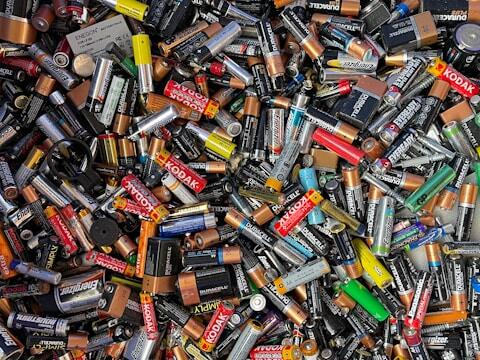
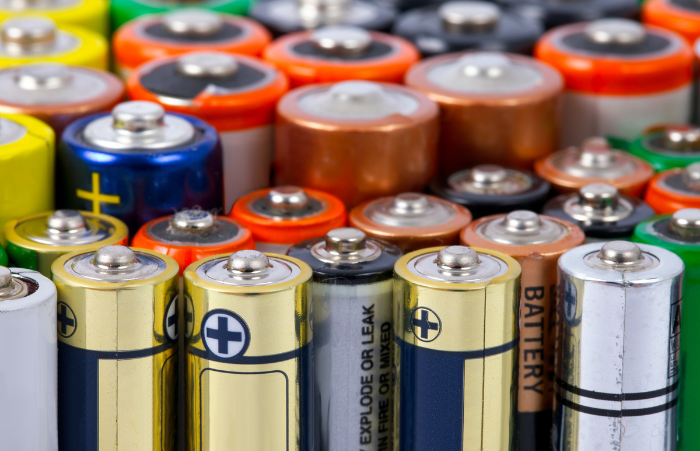
Waste batteries that are carelessly thrown away with the general rubbish or mixed with other kerbside recycling can be dangerous and start fires – placing recycling workers at risk and damaging vital facilities. You can stop used batteries from becoming dangerous by disposing of them safely by dropping them off to a designated battery recycling or collection location. 

This map shows both free and paid recycling drop off locations (rather than sending them to landfill) for standard household batteries (single use lead acid and lithium ion) in Aotearoa.  Please note that WasteMINZ does not endorse, certify, or provide assurance on the individual collection or recycling providers referred to on the map.

These battery recycling and collection facilities are operated by either councils or private entities, and each have different requirements for how the batteries should be prepared prior to drop off, and what types of batteries they can receive. Please contact the facilities before you arrive to ensure you’re aware of these.

Please note: If you have damaged batteries to dispose of, please contact a specialist battery recycler or your local council for the best way to do this. 

If you would like to be included on this map, please contact Charlotte on charlotte@wasteminz.org.nz

What to do with damaged batteries

Damaged and used batteries are dangerous and should not be thrown in the bin. 

If you have damaged batteries to dispose of, contact a specialist battery recycler or landfill for advice on the safest way to dispose of them. Put the battery in a bucket covered with sand, ideally outside in a sheltered location, until you can dispose of it safely. If a battery is smoking, call 111. 

Damaged batteries will not be accepted at drop-off locations such as retailers or community centres. 

Damaged lithium-ion batteries can be extremely volatile and must be treated appropriately. They pose a high fire risk, and being coupled with additional batteries already disposed of in the battery collection container could lead to a devastating fire.


WasteMINZ_bg-Batteries


If a battery shows any of the following it should be treated as damaged:

•    Swelling
•    Leakage
•    Deformation
•    Burn marks
•    Corrosion
•    Smoke
•    Water damage
•    Fire damage
•    Hissing sounds 
•    White crystal deposits


Top tips for using batteries safely

  • Try to use rechargeable batteries instead of single-use ones where possible - this reduces the number of batteries that are discarded
  • Try to sell or donate working, but unwanted, battery-powered electronic items instead of throwing them away
  • Never put batteries in your general rubbish bin or kerbside recycle bin.
  • If you can safely remove a battery from a product, the battery should always be disposed of separately using a battery recycling or collection service.
  • When recycling batteries tape the ends with clear tape before you drop them off at a collection location.

Learn more about lithium ion battery safety on the Fire and Emergency New Zealand website →


Batteries


Where to drop off e-waste

ewaste

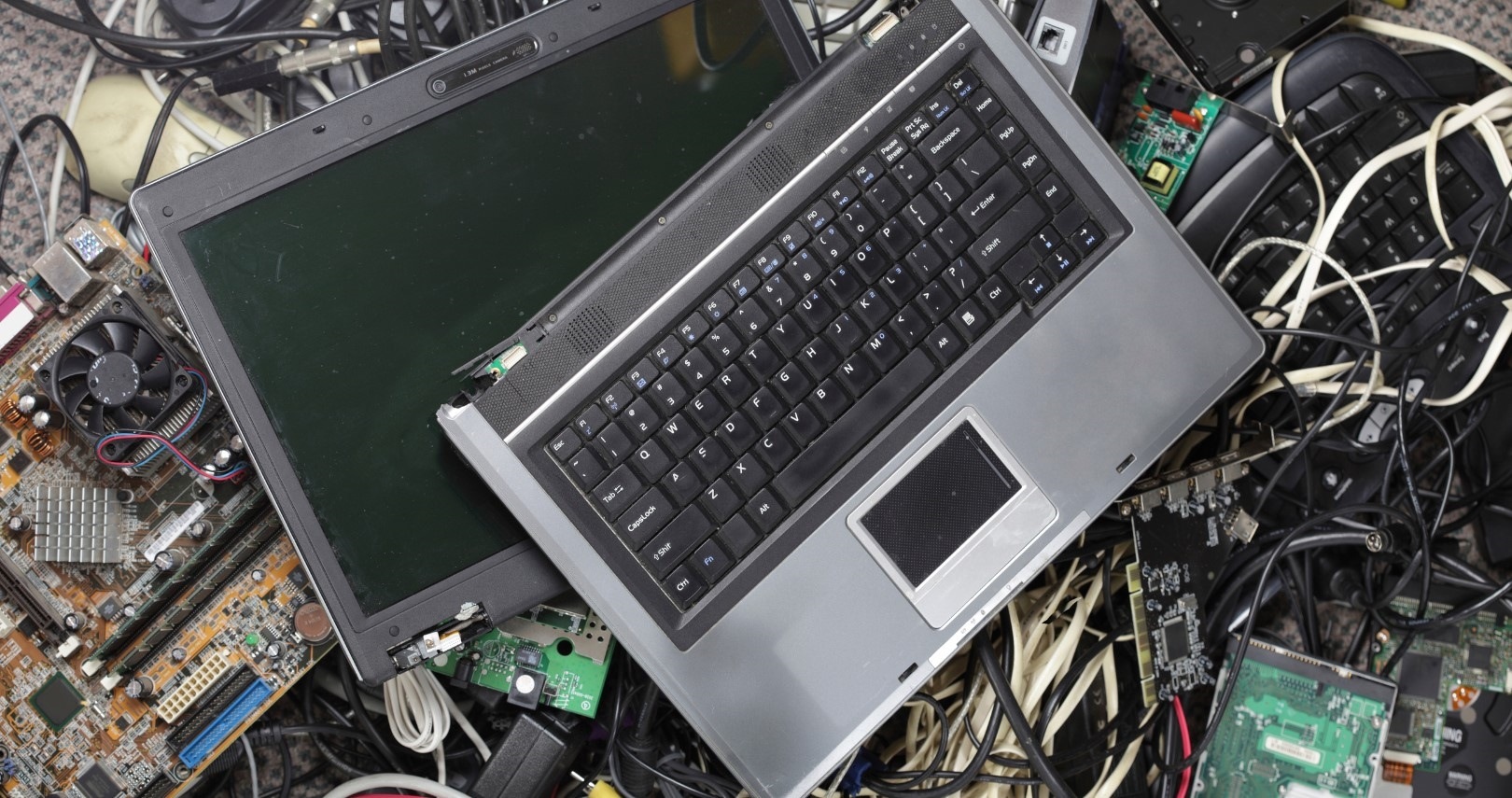
Electronic waste (e-waste) is one of the fastest-growing waste streams in New Zealand. It includes items such as mobile phones, laptops, computers, televisions, batteries, printers, cables, and household electronic appliances that have reached the end of their useful life.

When e-waste is sent to landfill, valuable materials such as gold, silver, copper, aluminium and rare earth elements are lost. Some electronic products also contain hazardous substances that can pose risks to the environment if not managed responsibly.


Use the links below to find a responsible e-waste recycling option near you.

WasteMINZ_bg-CTA

Creating a future where people, communities and nature in Aotearoa New Zealand thrive together