
Thursday 7 May, 11am-12pm
FREE for members and non-members
Household rubbish bins in Aotearoa are often 30-40% full of food waste, and many kerbside food scrap collection services are struggling with their participation and contamination rates. Community composting initiatives have shown themselves to be successful by reducing food waste to landfill, increasing community capability, and building kai sovereignty.
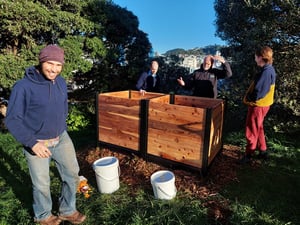
Join us to learn about four different projects across the motu which turn food scraps into a valuable resource to enrich soils and give back to Papatūānuku. You’ll learn from the best in the business and leave with practical tips for establishing your own community composting project, and some ideas about how to fund it.
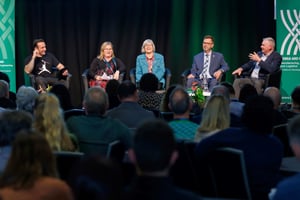
The session will be facilitated by Shelley Wilson, Waste Minimisation Advisor at Waipā District Council and member of the WasteMINZ Behaviour Change Sector Group Steering Committee.
About your speakers:
Matt Peryman, Para Kore
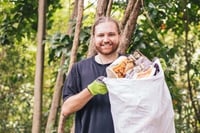 Ko Pūtauaki tōku Maunga, Ko Rangitāiki tōku Awa, Ko Mātaatua tōku Waka, Ko Ngāti Awa tōku Iwi, Ko Ngāi Tamawera tōku Hapū, Ko Uiraroa tōku Marae, Ko Matt Peryman ahau.
Matt Peryman is a Ngāti Awa researcher and scientist based in Tāmaki Makaurau. As programme lead for Para Kore’s kaupapa Māori composting programme He Para Kai, He Oranga Nuku, Matt works closely with marae to protect whakapapa and prevent kai waste by uplifting solutions based in mātauranga and tikanga Māori. Matt is also involved in policymaking at the national and international levels, advocating for Indigenous rights and leadership in addressing today’s major challenges, especially pollution and climate change.
Matt will be talking about He Para Kai, He Oranga Nuku, Para Kore’s kaupapa Māori composting programme that supports turning para kai (food scraps) into nourishing whenua to grow kai for our mokopuna. This programme is all about protecting whakapapa and building kai security and sovereignty through the creation of community compost hubs across the motu so that all whānau, everywhere, are able to participate in composting.
Stacey Gasson, Wellington City Council
 Stacey is a Community Advisor at Wellington City Council. The Council is currently undertaking a community composting hubs trial as part of their commitment to divert food waste from landfill. Community-led composting is also recognised as having various co-benefits, including neighbourhood connection, improved household composting, and support for local food systems. Support for six groups to set up hubs includes assistance obtaining the necessary permits, funding for tools and essential materials, wages and mentorship for the hub manager, and access to a dashboard tool to help manage and monitor what’s going into the compost and how much compost is being produced. Stacey will talk about how they got the trial up and running, how it’s funded and managed, and how this work aligns with their WMMP.
Liam Prince, Kaicycle
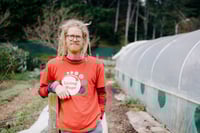 Liam is a zero waste practitioner, researcher and advocate, and an avid composter. He is the Composting Operations Manager at Kaicycle, an urban farm and composting initiative in Wellington focused on climate justice, and aiming to develop a resilient food system for Te Whanganui-a-Tara. Liam is also co-founder of The Rubbish Trip, a Trustee of the Aotearoa Plastic Pollution Alliance, and has worked as a researcher and project lead with Zero Waste Aotearoa. He will talk about the development of Kaicycle's collections and composting services over the past 10 years - the pros, cons and learnings of an urban medium-scale composting initiative, and how community and educational benefits don't have to come at the expense of a financially sustainable business model.
Tim Bowater, Aotearoa Composters Network and The CarbonCycle Company
 Tim likes to play and discover at the intersection of human, plant and soil health. Providing hundreds of CarbonCycle installations and workshops across Aotearoa has supported his passionate drive to normalise and localise organic materials composting. These include schools, papakainga, marae, urban farms, airports, stadiums, business parks, restaurants and more. Tim will be speaking about enabling current and future generations to engage with their local living systems.