



Part One – Soil health, developments in soil science, and a snapshot of compost use in NZ
Written by Kate Walmsley and Elena Izaguirre, members of the WasteMINZ Organic Materials Sector Group Steering Committee
Soil is the foundation of life on Earth. It’s a precious resource that takes thousands of years to form, yet it can be lost rapidly through extreme weather events, urban sprawl, and erosion. Soil underpins 95% of global food production, and with Aotearoa NZ being a high net exporter of food products, plus Government goals to double the value of food and fibre exports by 2034, protecting the health of our soils is critical. However, many conventional farming and growing practices – such as tilling, agrichemical use, high animal stocking or machinery use, and monocropping – have negative impacts on soil health, contributing to soil erosion, nutrient loss and waterway pollution; all major issues in NZ.
Over the last 15 years, there has been a paradigm shift in the Western scientific understanding of soil health reaching “the point of considering the soil itself to be a living thing, not just a habitat for living things”. In Te Ao Māori, oneone/soil is understood to have mauri: life force/energy/vitality and continued capacity to sustain/support life and wellbeing. Intergenerational connections (whakapapa) between people, land and soils are integral, and interdependencies are understood, in that changes to the mauri or wellbeing of the soil or land will result in impacts on plants, animals and people.
One widely-known means of improving soil health is routine compost application. Quality compost can be made from food and green waste, diverting them from landfill. It contains organic matter and diverse beneficial soil microorganisms, and provides a source of plant-available nutrients, improves soil structure allowing better root growth, and supports both moisture retention and drainage. The benefits of compost are influenced by the soil type, with sandy and clay soils having the most to gain from added organic matter. In general, healthy soil cycles nutrients effectively and loses fewer to runoff, supports higher yields, and is more resilient to drought and heavy rainfall.
The photos below show examples of healthy (left) and unhealthy (right) silty loam soil. The healthy soil has a darker colour, crumbly structure and contains more roots and earthworms than the unhealthy soil, which is paler with a dense “blocky” structure.
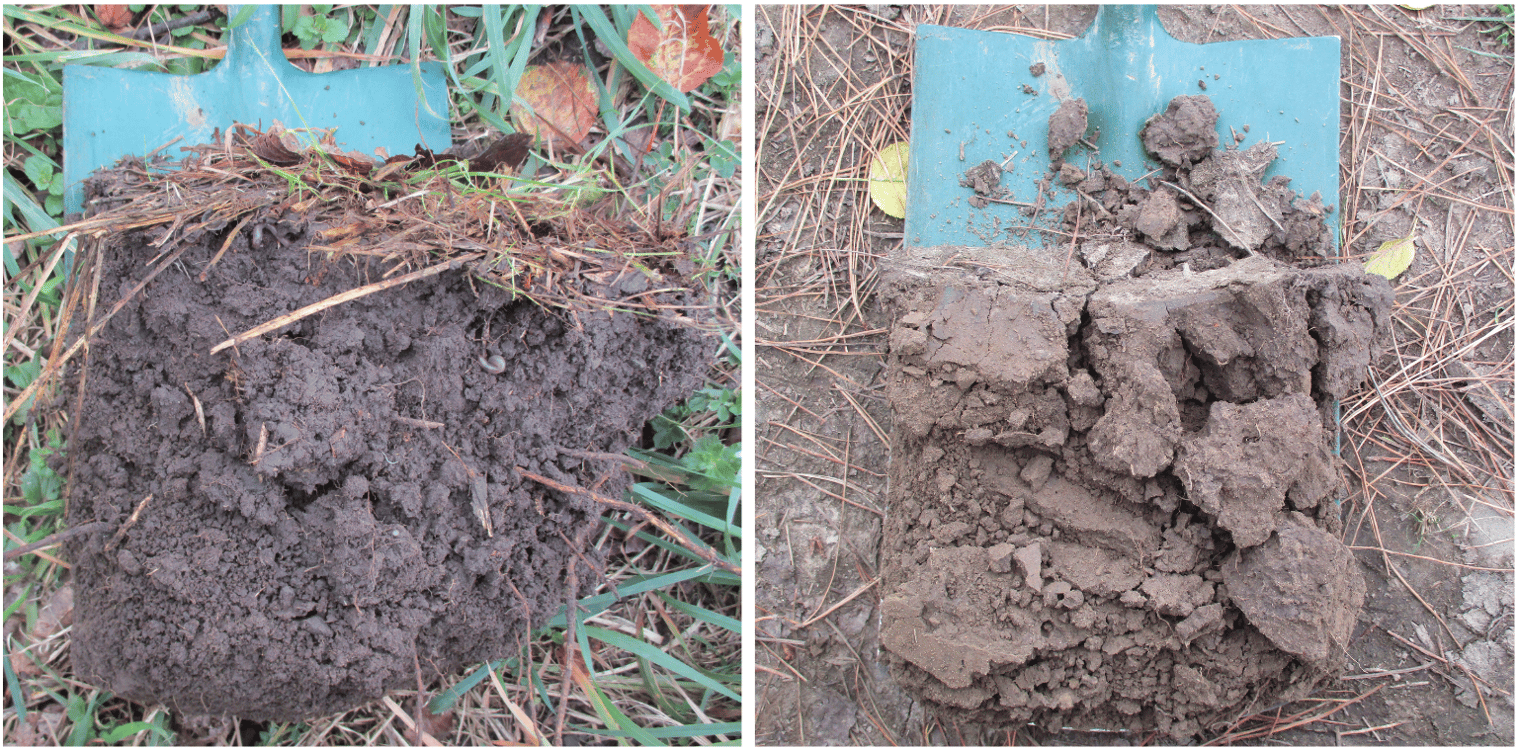
Image: Soil Health and its Management (2026) Dr Charles N Merfield. MRSNZ, The BHU Future Farming Centre, https://www.bhu.org.nz/soil-health-and-its-management-2026-merfield-ffc/
Dr Charles Merfield, sustainable agronomy researcher and consultant at the BHU Future Farming Centre, asserts that compost is best viewed as a source of plant-available macro- and micro-nutrients that can be produced in NZ and thus is resilient to international price shocks and supply issues, and as a tool to repair degraded growing land.
Improving soil health is an enormous and complex topic. Using compost to add nutrients is one part of the puzzle; the other key part is plants. As Merfield explains, plants are key drivers of soil health, via the process of flushing photosynthesis-derived sugars, lipids and proteins into the soil through their roots—called “root exudates”—to feed soil microbes that live around their roots. In turn, the microbes help the plants access water and nutrients, and defend themselves from pests and disease.
Regenerative farming practices are growing in popularity in Aotearoa NZ. The term “regenerative” means different things to different people and contexts, but the general goal is to restore and enhance soil, biodiversity and wider ecosystem health while producing high-quality, profitable yields. Compost use is part of the regenerative toolkit, as are practices that harness the power of plant exudates to build soil health, such as cover cropping, diverse planting and intercropping perennials with annuals. Wider adoption of regenerative practices in NZ is an important pathway to better soil health and resilience.
In NZ, compost use differs widely across different parts of the primary sector. There is widespread use of compost in the perennial horticulture sector, including kiwifruit and viticulture, in certified organic growing systems, and in small and community-led food growing initiatives, with broad recognition of its benefits. Compost use in conventional vegetable production (annual horticulture) is still in its infancy, as it has a very different context and requirements for nutrient supply. Research on the benefits of compost in NZ’s commercial vegetable systems is limited, and outcomes are location-specific, influenced by climate, soil type and background/base fertility. It’s different again for pastoral growing systems, which typically don’t have a use for compost; there are more relevant techniques to drive improvements in soil health in these systems, including stock management and boosting root exudates.
A recent research project sought to address the research gap in regenerative practices applied to intensive vegetable production, with a partnership between LeaderBrand Produce, the Bioeconomy Science Institute, and Woolworths NZ, supported by the Ministry for Primary Industries. Its two-year trial on two sites in Gisborne showed positive results for combined compost use and cover cropping. Results showed improved soil health and yields in the regenerative growing areas for most of the crops tested compared to the standard growing areas - with nearly double the yield for mesclun on one site, and comparable yields of sweetcorn despite a one-third reduction in nitrogen fertiliser inputs at another site. The project’s key takeaways for growers included a recommendation to use compost to complement, not replace, synthetic fertilisers.
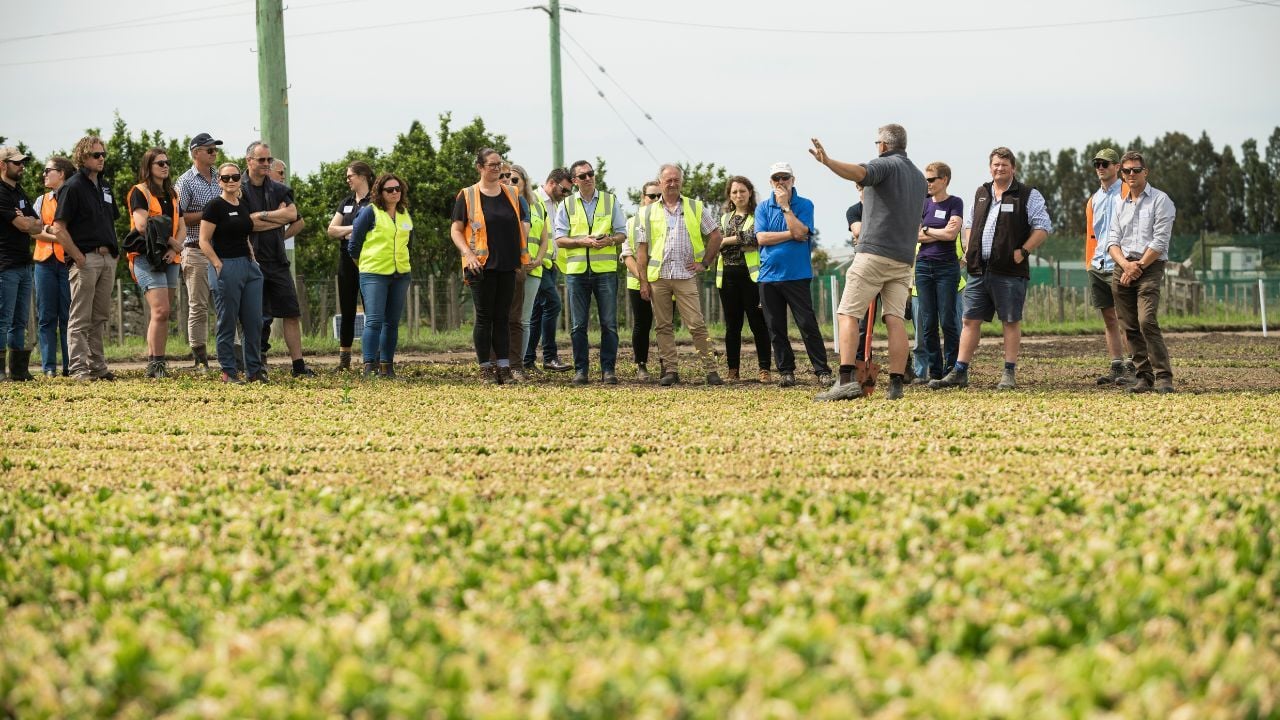
At one of the LeaderBrand regenerative agriculture trial sites in Gisborne. IMAGE: Woolworths NZ
Matt Norris, a senior researcher at the Bioeconomy Science Institute (formerly Plant & Food Research) was the soil scientist involved in the trial and says that soil health is one of the key concerns of growers in intensive vegetable production. Whilst the trial is specific to the Gisborne soils and climate, the addition of compost saw benefits related to soil conditioning, such as seed germination and root access to nutrients, and longer-term soil health. Norris notes that nutrient supply effects of compost are likely to be less pronounced in conventional systems where background soil fertility is often high. There is high crop nutrient demand in these systems, while nutrient release from compost is slow; meaning in these systems, compost is best viewed as a soil health amendment and supplementary source of nutrients.
With the current global pressures impacting energy and fertilisers, growers will be looking more closely at circularity and making the best use of nutrients within their production systems. The increasing cost of fertilisers will have growers looking for alternatives for macronutrients such as nitrogen and phosphorus. This is an aspect of sustainability where Norris would like to see more research undertaken. Merfield comments that waste from meat works currently going to landfill in NZ is a promising resource, being high in both phosphorus and nitrogen.
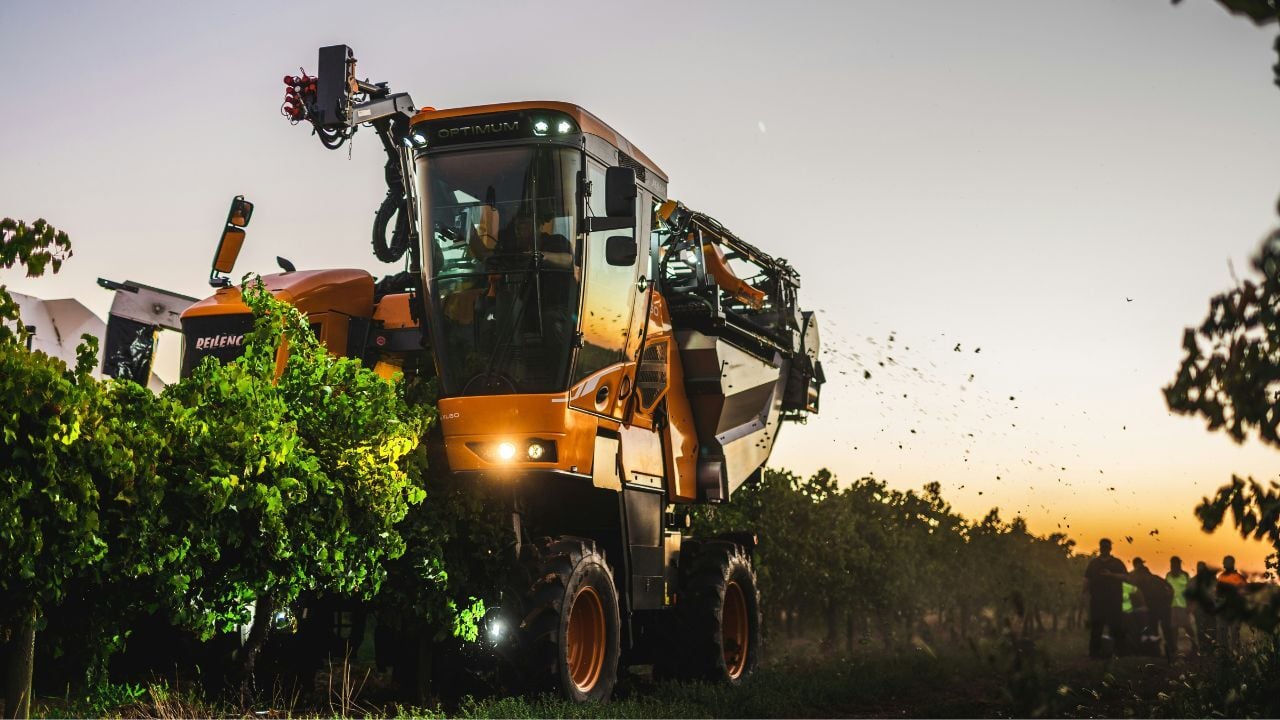
Vineyard in operation - IMAGE: Zac Edmonds
The NZ wine industry is a sector where composting and compost use is well embedded. Compost is viewed as a key tool, directly supporting the sector's sustainability goal to protect and enhance soil health, says Dr Edwin Massey, General Manager Sustainability at New Zealand Winegrowers. A number of wine growers embrace circularity by making their own compost onsite (for example, from grapemarc) for beneficial reuse on the land. It is recognised that compost made from a diverse range of ingredients will give a high quality end product, but having access to these raw materials can be hard to source at times.
While this is a good start, Merfield emphasises the urgent need to ‘close the loops’ with soil nutrients and restore natural nutrient cycles, noting that the biogeochemical flows of nitrogen and phosphorus have been disrupted to the point of far breaching safe Planetary Boundaries. The challenge for NZ is to align our nutrient cycling systems, including composting, with the needs of growers, to support our soils’ ongoing capacity to meet the needs of our ecosystems, people and primary sector—through increasingly common heavy rainfall and drought, and through disruptions to global supply chains. As Norris puts it, there’s an argument for a paradigm shift in how we grow food in NZ.
Continues: PART TWO: Think global, act local: Challenges and opportunities for compost use in New Zealand