


In this member spotlight, we talk to Mahdieh Rezaeisadrabadi, PhD candidate at the University of Auckland
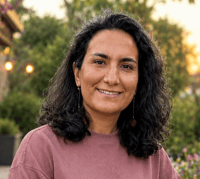
"I’m most passionate about waste in healthcare systems, an area where environmental, economic, and public health priorities often collide."
The University of Auckland is New Zealand’s largest university and a leading research institution, ranked among the top universities globally. Its Business School, where I am based in the Department of Information Systems and Operations Management, has strong expertise in supply chain management and operations. The University supports a wide range of research across many disciplines, providing a solid academic environment for my work in supply chain and waste management.
Why did you want to join WasteMINZ?
My doctoral research looks at how healthcare systems handle waste, using simulation and optimization models to improve these processes while balancing environmental and economic goals. I joined WasteMINZ to connect with researchers and professionals across supply chain, healthcare operations, sustainability, and waste management. I’m keen to exchange ideas, learn from industry practice, and explore collaborations that help bridge academic research and practical, sustainable solutions for healthcare waste in New Zealand.
What topic/issue are you most passionate about when it comes to waste, resource recovery or contaminated land?
I’m most passionate about waste in healthcare systems, an area where environmental, economic, and public health priorities often collide. Hospitals generate large volumes of hazardous and general waste, yet opportunities for reduction and recovery are frequently overlooked. I want to redesign these systems to cut waste and improve resource recovery while keeping clinical safety and cost in balance, turning a complex challenge into practical, evidence-based solutions for more sustainable healthcare.
What are you reading or listening to right now?
I’m listening to the Outrage + Optimism podcast, which focuses on solutions-oriented climate discussion alongside the urgency of environmental challenges. It helps contextualise my PhD research on sustainable waste management in healthcare and reinforces the importance of low-waste systems beyond academic modelling.
Describe your perfect day outside of work
My perfect day off is a quiet one at home. I like to take things slowly and spend time reading and resting without any pressure. A nap before noon is always welcome too. I especially love baking, cakes and bread are my favourites, so I’d happily spend part of the day trying out a new recipe. I also enjoy learning something new just for the fun of it. Add some good food, and that’s my ideal day, calm and cosy.